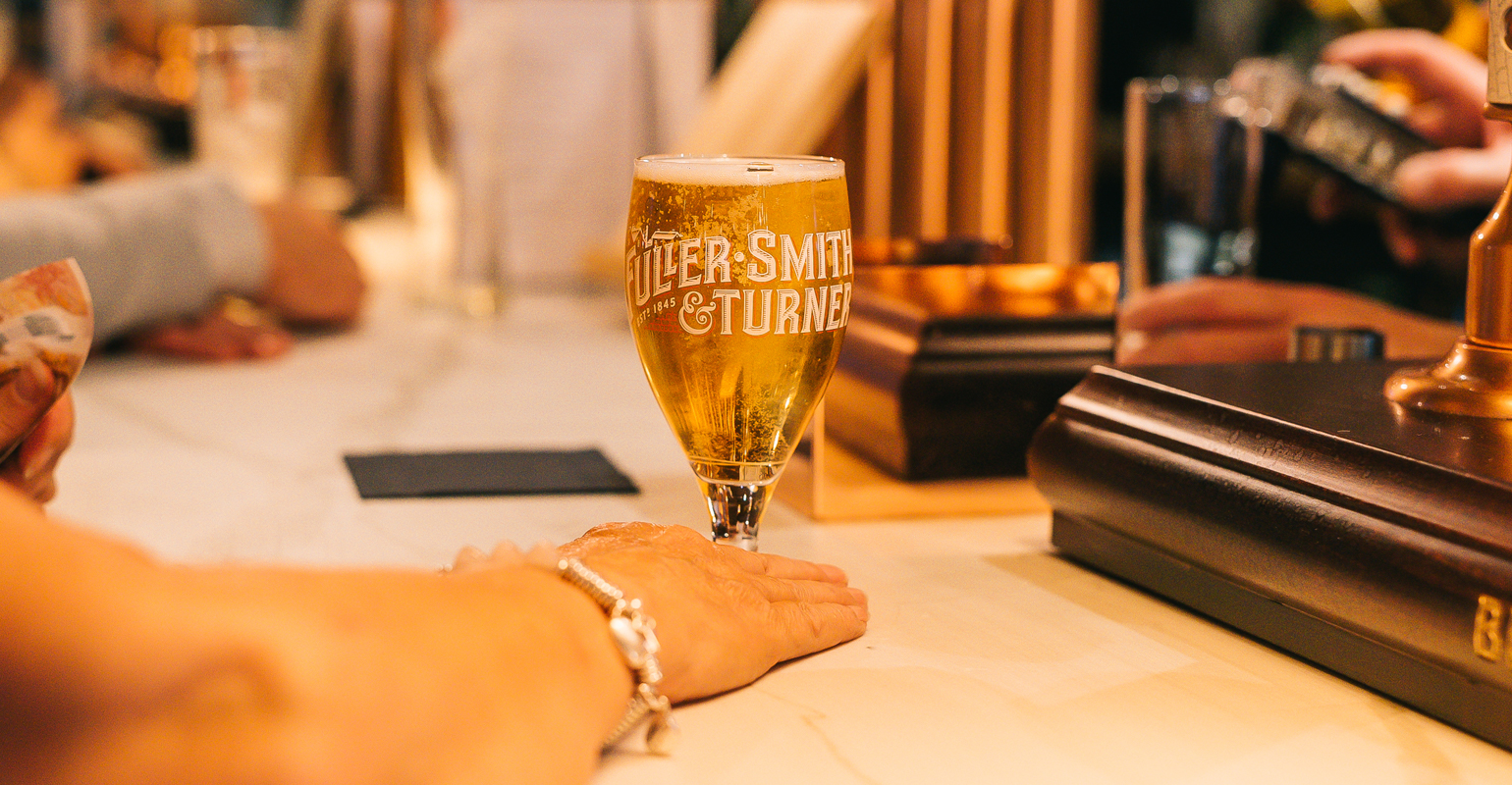
Before Twickenham Stadium existed, its site was a market garden, and the ground earned the nickname Billy Williams' cabbage patch after the man who cleared it for rugby. The pub opposite the station still carries that name, and on 27–29 November it will be full of people trying to work out exactly what they are watching. The short answer: the Nations Championship finals weekend is the climax of rugby's new international competition, with six matches played over three days at Twickenham and the Grand Final on Sunday 29 November at 16:40.
Nations Championship finals weekend at a glance
- What: the deciding weekend of the Nations Championship, rugby's new global Test competition
- Where: Twickenham Stadium, south-west London
- When: Friday 27 to Sunday 29 November
- How many games: six, spread across three days
- The big one: the Grand Final, Sunday 29 November, kick-off 16:40
The Nations Championship explained
The competition takes the old summer tours and autumn internationals, which used to be standalone friendlies, and turns them into a single league with a table and a title. Twelve men's national sides take part, split into two groups of six: the Six Nations teams on one side, and the southern hemisphere's Rugby Championship sides joined by Fiji and Japan on the other.
Through the July and November Test windows, each team plays the six sides from the opposite group. That produces a ranking within each group, and finals weekend simply pairs them off by position: the two group winners meet in the Grand Final, the two runners-up play each other, and so on down to the sides in sixth. So every one of the six matches at Twickenham means something, even if only one decides the trophy. Format details can be tweaked in a new competition, so the official tournament site is the place to confirm the fine print.
Nations Championship kick-off times and the double-headers
Packing six Tests into three days means days with more than one match, and that is what changes the pub calculation. The only time fixed in stone for this guide is the Grand Final at 16:40 on Sunday 29 November; for the other five fixtures, take the confirmed kick-offs from the official tournament listings or your broadcaster's schedule, as pairings depend on the final group tables. A 16:40 start on a late-November Sunday means a final played well after dark, and one that should finish in time for the last of the evening, though some pubs close early on Sundays.
How to plan a pub session around a double-header
Two matches back to back is a long afternoon, and the people who enjoy the second game most are the ones who planned for it. A few rules worth following:
- Book, and say why. Mention you are coming for both games, so your table is not promised to someone else at half-time of the first.
- Eat in the gap. The break between matches is the natural moment for a proper meal; order early, before everyone else has the same idea.
- Pick one base. Moving pubs between games almost always costs you a decent seat. Choose somewhere you will be happy to stay put.
- Pace the pints. A cask ale or a soft drink between rounds of lager keeps you upright for the late kick-off.
- Check the screening. Confirm on the pub's own profile or website that it is open, showing rugby, and open late enough on Sunday for the final whistle.
For more on what makes a rugby pub work, our piece on the six essentials for a Six Nations pub applies just as well in November.
Our picks near Twickenham
Whether you have a ticket or simply want to be where the crowd is, these four put you in the thick of Twickenham's match-day ritual.

The Cabbage Patch, Twickenham
Twickenham, Richmond upon Thames
Locals call it the Patch, and the name is a direct line back to the stadium: the ground was once a market garden that Billy Williams cleared for rugby, with the first England v Wales international there in 1910. The building itself, formerly the Railway Tavern and now a Fuller's house, sits almost opposite Twickenham station and is lined with shirts and rugby memorabilia. The pub calls itself the most famous rugby pub in the world, and few in town would argue. On a finals Saturday expect a scrum at the bar and the heated garden and marquees doing heavy lifting; the whiskey collection rewards anyone who has found a seat. Between fixtures the crowd broadens out, with jazz and acoustic nights in the Patchworks bar. One caution for the Grand Final: Sunday closing is listed as 8pm, so confirm hours before planning a long post-match debrief.
The Eel Pie
Twickenham, Richmond upon Thames
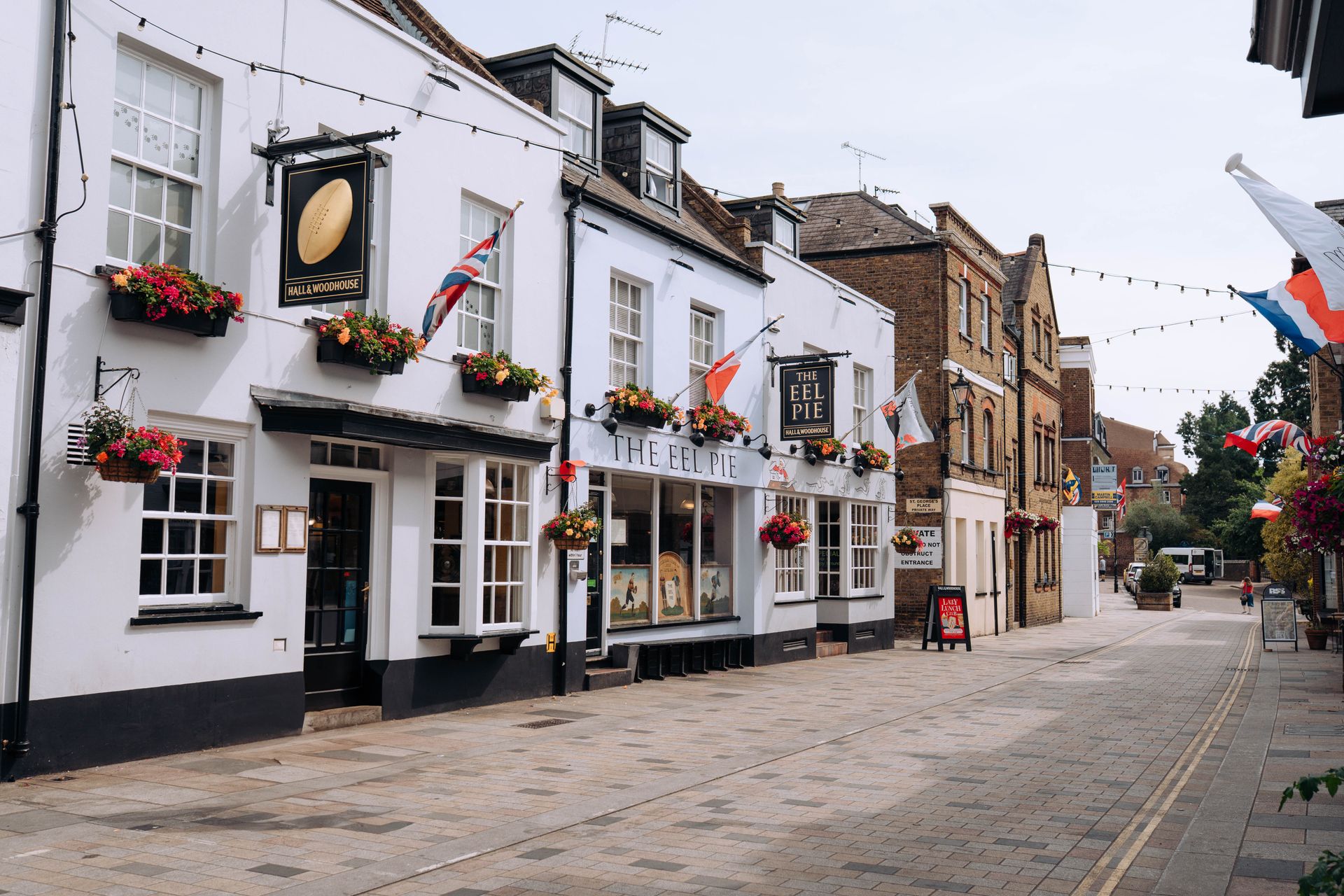
Church Street still has the paving stones laid in 1716, and halfway along it this Badger pub looks as if it has been pouring pints for centuries. In fact it was a wine bar until roughly three decades ago, which surprises most first-timers given the old wood, the curving copper-topped bar with its leaded glass and the walls of rugby keepsakes. Hall & Woodhouse describe it as one of the stations of the cross for rugby fans, the place supporters come to celebrate or commiserate with good humour once the teams have finished tearing into each other. Window seats look out over the pedestrianised street, and a small courtyard sits at the back. With Fursty Ferret and Tanglefoot on the pumps and a kitchen doing pies and steak, it suits a ticket-holder who wants a proper meal before walking up to the ground.
Barmy Arms
Twickenham, Richmond upon Thames
Legend has it the old Queen's Head Hotel became the Barmy Arms in the 1970s because the landlord insisted on putting the Christmas tree up upside down, a story worth repeating in the last week of November. Dating from the 1700s, the pub stands on the Embankment looking across to Eel Pie Island, and a sign on the wall marks how high the river flooded in the 18th century. Its owners describe it as loud, lively and musical, with rugby fans known to sing heartily after a day at the stadium. By late November the riverside garden is more for a bracing half-time breather than lingering; the fireplace is where you will want to be once the light goes. Food runs daily until 9pm, which makes it a sensible base for both halves of a double-header.
The Turk's Head, Twickenham
Richmond upon Thames
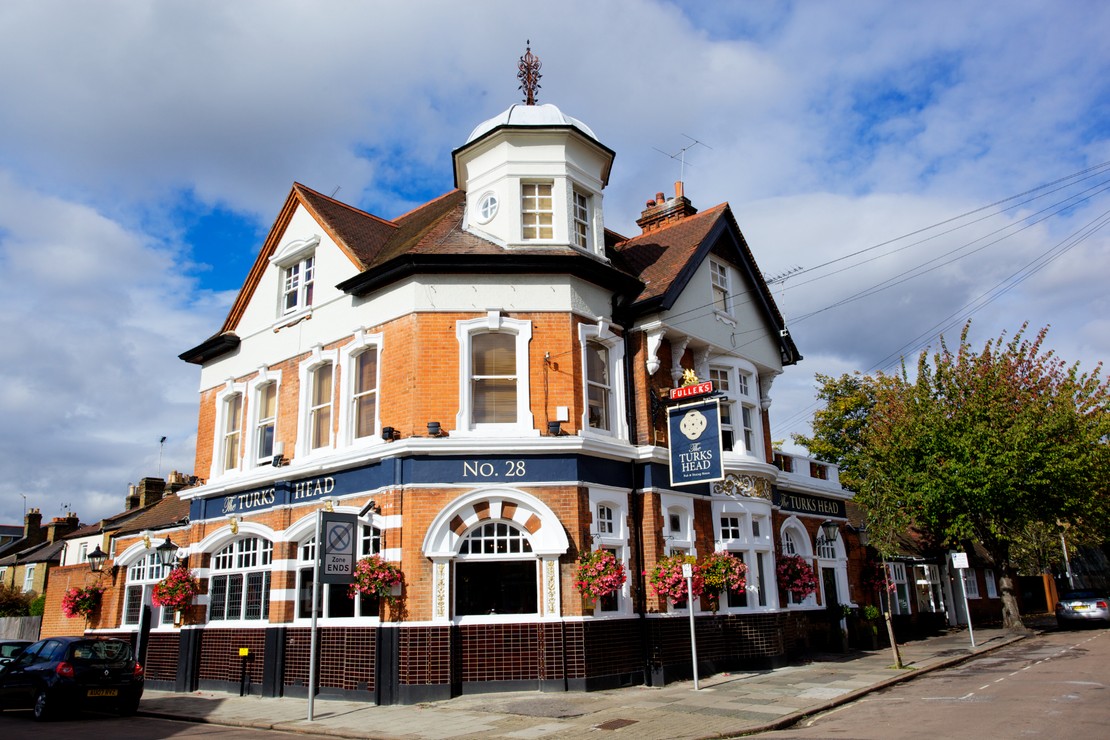
Ringo Starr, dressed as a tramp to dodge fans, tried his hand at darts in this corner pub during a scene in A Hard Day's Night, and Beatles devotees still make the pilgrimage. Built for Fuller's in 1902, probably by the architect TH Nowell Parr, it has a red-brick turret, carved stone heads above the windows and Tudor-style wooden arches inside, enough for a place on CAMRA's National Inventory of historic interiors. Out of rugby season it is a genuine neighbourhood local; on international weekends CAMRA notes it fills with rugby fans, a few minutes from St Margarets station. Big screens show the match, and the garden with a children's play area makes it the pick for families who want lunch alongside the first game. Sunday hours are listed as midday to 8pm, so confirm before settling in for the final.
Watching the Nations Championship Grand Final in central London
Not everyone can get to Twickenham, and a double-header is easier on your legs if the pub is near home. These two take very different approaches to match day.
Famous Three Kings
West Kensington, Hammersmith and Fulham
Punk history sits under the screens here. In the 1970s the building on this busy West Kensington junction was the Nashville Rooms, which CAMRA calls a famous, or notorious, home of London punk where the Sex Pistols played. Today it is one of the city's best-known sports pubs, with a row of big screens and a huge projection screen for the major fixtures, and a habit of backing no team in particular, so fans of every side turn up. It has collected sports-pub awards over the years, and the room is built for exactly this kind of weekend. Doors open at 11am on Saturdays and Sundays, which gives plenty of runway before the first kick-off, and burgers, pizza and wings cover the meal between games. Choose it for noise, crowds and a guaranteed view.
Rugby Tavern
Bloomsbury, Camden
Despite the name, this Bloomsbury pub has nothing to do with the sport: it stands on land bequeathed by Lawrence Sheriff, founder of Rugby School, which still owns the freehold. The Grade II-listed building, put up in the mid-19th century in front of two older houses, faces a small tree-lined square where four streets meet. Inside there is a horseshoe bar and an art deco room upstairs, and the pub is set up for sports viewing. Material on its match-day atmosphere is thin, so treat it as a calmer central option rather than a rugby shrine, and confirm it is screening the games. For anyone in town for an early Christmas gathering, though, the pun of watching the Grand Final in the Rugby Tavern is hard to resist.
Common misunderstandings about finals weekend
- It is not a knockout. Nobody is eliminated on the weekend; teams play the side that finished in the same position in the other group.
- It is not only the Grand Final. All six matches carry a final placing, so the earlier games can be as tense as Sunday's.
- It is not the Six Nations. The Six Nations still runs in the spring; this is a separate competition built from the July and November Tests.
Before you go
Opening hours, booking and screening plans can all change around a big event, and Sunday closing times matter more than usual with a 16:40 final. Look up each pub's profile or website for confirmed hours and whether the matches will be shown, book if you can, and in Twickenham allow for crowds at the station on both ends of the day. Dark evenings and a roaring fire make a good case for staying put once you have found your seat.


